
Action Alert: Endangered Species Act
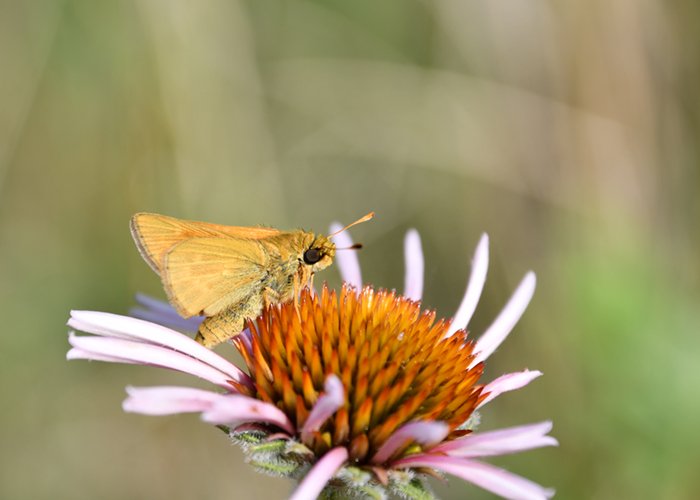
Dakota Skipper (Hesperia dacotae) was listed as Threatened under the Endangered Species Act in 2014. Dakota Skipper, Luke Toso/USFWS, Public Domain
Protect the Endangered Species Act
Comments are open for two separate proposals:
Endangered and Threatened Species: Critical Habitat: https://www.regulations.gov/document/FWS-HQ-ES-2025-0048-0001
Endangered and Threatened Species: Listing Endangered and Threatened Species and Designating Critical Habitat: https://www.regulations.gov/document/FWS-HQ-ES-2025-0039-0001
Comments will close on Dec. 22nd, 2025.
The Wildlife Society has created a helpful three-part guide to the details and effects of this proposed rollback, including:
How species are listed, delisted, or reclassified under the ESA
Critical habitat designations and exclusions
Reinstating the definition of “foreseeable future”
The rule changes would make it more difficult to protect threatened and endangered species, and to be proactive about the impacts of climate change.
Part two: “How will ESA rollback impact threatened species?”
Part three: “Agency’s move likely to ignore indirect wildlife impacts”
Our Wild Lives, the podcast from The Wildlife Society, published an episode that succinctly explains the proposed changes to the Endangered Species Act, and provides advice for how to write effective comments that will have an impact.
Statement from Shannon Straight, Executive Director of Badlands Conservation Alliance:
“BCA encourages our membership and all North Dakotans to submit comments on the administration’s goal to eliminate elements of the ESA in the interest of extractive industry development and corporate profits over the long-term environmental habitat health for future generations. Environmental habitat health in North Dakota has been dwindling for decades, and the greater sage grouse is now gone. What animal do you care about that might be next? North Dakota is about to celebrate the legacy of Theodore Roosevelt with the opening of his Presidential Library in Medora, ND in July of 2026. The 250th birthday of America. BCA encourages all North Dakotans to ensure a bit of TR’s conservation legacy by standing up and speaking out against the administration’s erosion of environmental protections, and for our unique way of life here on the prairie that includes hunting, fishing, and brings visitors from all over the world that boosts our statewide economy. If we don’t, the critical habitat that sustains us will be gone and future generations will blame us for inaction.”
Further Reading
National Parks Conservation Association: “Proposed Assault on Endangered Species Act Would Push Park Wildlife Toward Extinction”
Grist: “Dismantling the Endangered Species Act will hurt a lot more than just wildlife”
The Guardian: “Trump officials reveal plan to roll back regulations in Endangered Species Act”
Outdoor Life: “Feds Announce Plan to Overhaul the Endangered Species Act. It Throws Out Science and Adds (More) Red Tape”
Defenders of Wildlife: “Trump Administration Seeks ESA Regulatory Rollbacks, Risks Accelerating Extinction for America’s Most Vulnerable Wildlife”
North Dakota Game and Fish: Threatened and Endangered Species